
pongbot-official-partner-webtennis24

First AI Tennis Robot

use code WT24 for a 5% discount
My Lesson Plan ‘Formula’ for Engaging Tennis Lessons

My Lesson Plan ‘Formula’ for Engaging Tennis Lessons

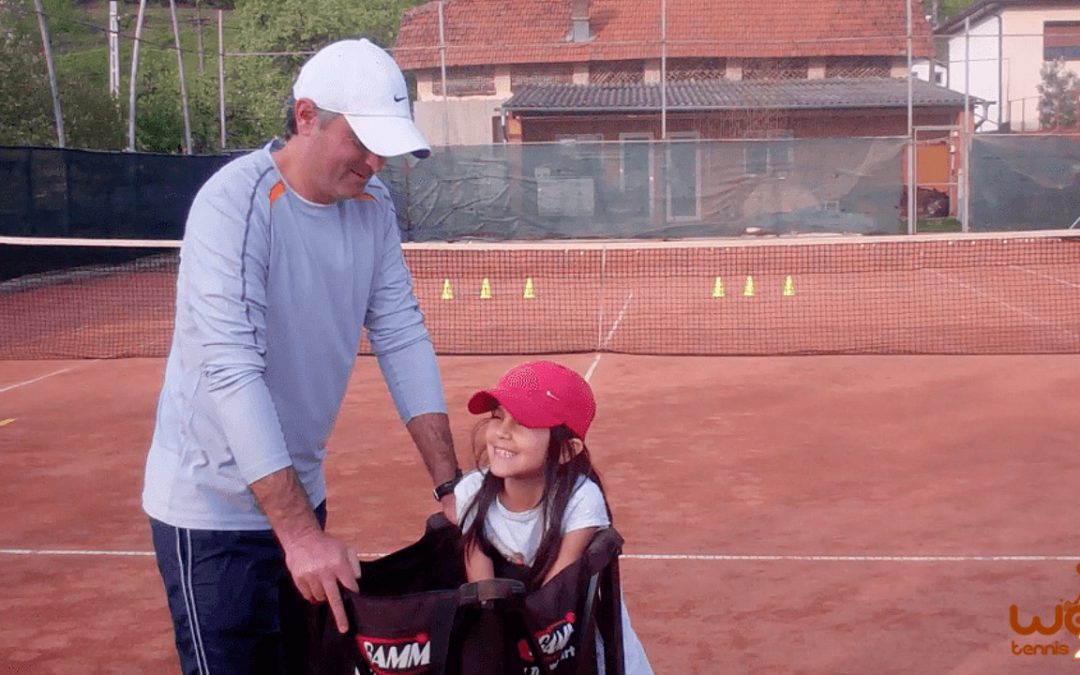
As a tennis coach, I’ve always believed that a good coach needs to understand their students and their motivation behind learning the sport before teaching them. Only after gaining this understanding can a coach tailor lesson plans to suit their students’ needs. Recently, I received an email from a fellow coach that motivated me to share my lesson plan formula, which has proven to be very successful in keeping kids and adults interested in tennis and returning to my classes.

The email read: “Many of my younger (8-11yrs old) beginner students are not willing to follow some of my instructions. They seem to be more interested in fun and games than learning the correct strokes; how can I encourage them to be a little more serious about the game?? (Jim)”

It’s common for beginners, especially those aged 8-11, to prioritize fun games over technical instruction. The repetitive nature of stroke practice can be boring for them. To keep students engaged, coaches should design lesson plans that combine both technical knowledge and fun. With that in mind, I’ve developed a lesson plan formula that I’ve used for years to great success with kids and adults alike.

Here’s my lesson plan formula for a perfect tennis practice:

Step 1 (10 minutes)
Always greet and welcome your students with a big smile on your face, demonstrating your enthusiasm to be their coach. Start the lesson with a warm-up routine that includes exercises such as jogging, carioca, side shuffles, and fun warm-up games like “Caterpillar,” “Toss-Catch-Shuffle,” or “Royal Court.”

Step 2 (15 minutes)
After the warm-up, spend 15 minutes on technique practice. Begin with shadow strokes, and then use a basket to feed various technique drills like three along the line, basket drills, etc. The technical drills should be conducted at the beginning of the class when the students’ attention spans are fresh and they are not yet tired.

Step 3 (5 minutes)
Give your students a five-minute break to pick up the balls and get some water.

Step 4 (10 minutes)
Next, continue with rally games. Even beginners can play fun rally games like “Kings and Challengers” or “In and Out”.

Step 5 (10 minutes)
After the rally games, spend another 10 minutes on technique practice, this time focusing on the serve, volley, and other skills.

Step 6 (10 minutes)
The final 10 minutes of the lesson should be dedicated to footwork drills or games such as “Around the World,” “Potato Race,” or any relay race that gets everybody active and cheering for others. It’s great to finish the class with all the players tired, loud, and happy.

Kids need a balance of technical instruction and fun games to stay interested and focused. Once they begin playing in tournaments, they will understand the importance of learning and practicing the technical and tactical aspects of the game. Therefore, coaches should encourage their students to enter competitions early on in their development, not just to watch others play, but to understand the reason behind practicing those technical skills.

If you’re looking to take your tennis coaching to the next level, consider the Tennis Drills and Lesson Plans for Coaches with more than 900 tennis drills and lesson plans to teach private and group classes, beginner or advanced players.

Cosmin Miholca

Cosmin Miholca

Certified Tennis Coach

Check out my work at WebTennis24 where I share with you my best video tennis lessons, drills and tips for players, coaches and tennis parents.
How to Teach Tennis to VERY Young Children (3-5 Years Old)

How to Teach Tennis to VERY Young Children (3-5 Years Old)

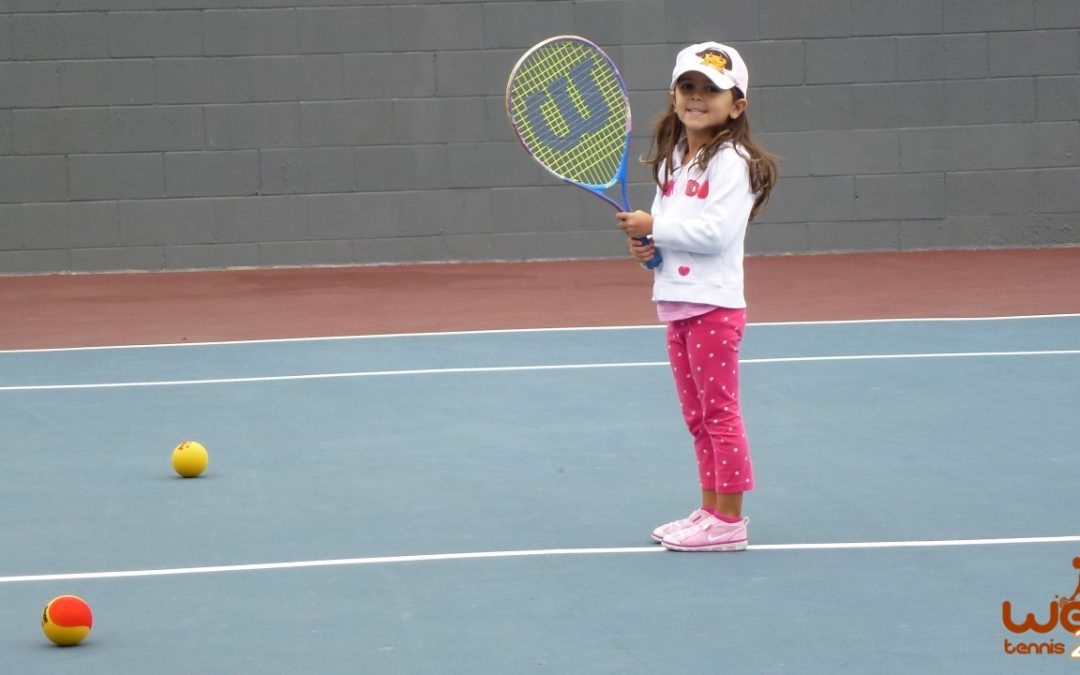
As a tennis coach, I am often asked how to teach the sport to very young children, specifically those aged 3-5 years old. In this article (and video below), I would like to share some tips and techniques that have worked well for me in the past.

Consider the child’s prior experience
First, it is important to consider whether the child has had any prior experience with tennis. If they have, find out whether they have taken private or group lessons. If they are new to the sport, focus on hand-eye coordination exercises and basic techniques.

Introduce games and drills
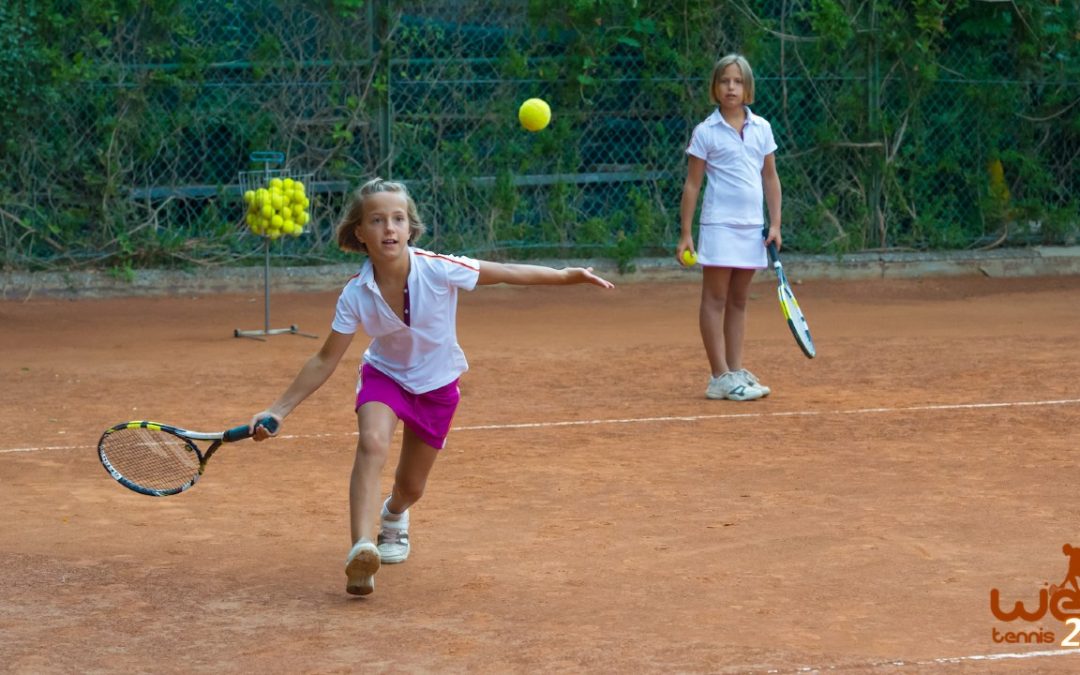
There are plenty of fun games and drills you can use to keep young children engaged, such as “Throw and Catch,” “Jail Breaker,” “Caterpillar,” and “Potato Race.” Remember, the aim is to keep the lessons fun and active, so try to avoid making them stay in line for too long. Kids of this age group tend to get bored easily, so keep them moving and engaged as much as possible.

Make it fun
In a group setting, when working with children individually, give tasks to the others, such as picking up balls, jumping rope, or bouncing a ball, to keep everybody active. Try to make this fun, too, by turning it into a competition to see who can make the biggest pile of balls on their racket, for example.

Keep the lessons short and intense
For children under 6 years old, I recommend no longer than 45 minutes per lesson, and for 3-4-year-olds, even shorter, around 30 minutes. This ensures they don’t get too tired or exhausted, and they are able to retain what they have learned.

In conclusion, teaching tennis to very young children can be a lot of fun if approached in the right way.

Keep the lessons fun, active, and engaging, and focus on basic techniques and hand-eye coordination exercises. With a little patience and creativity, you will be amazed at how quickly they can pick up the sport!

If you want to learn how to teach tennis to young children consider the following WebTennis24 coaching courses:

Cosmin Miholca

Cosmin Miholca

Certified Tennis Coach

Check out my work at WebTennis24 where I share with you my best video tennis lessons, drills and tips for players, coaches and tennis parents.
Tennis Coaching / 7 Steps to Make Great Connection with Students

Tennis Coaching / 7 Steps to Make Great Connection with Students

As a tennis coach at WebTennis24, I often get emails in which players or coaches ask for my opinion on certain subjects. One of them was how to make a good impression as a coach in front of your new students.

In this regard, I made a video that will show you the first 10-15 minutes of what you can do with a new tennis student (beginner or even intermediate). In this video, you’ll find my “magic” formula on how to interact with new students and how to make them feel welcome and excited to learn tennis. It has worked great for me throughout my over 15 years of teaching tennis, and it will guarantee to help you too.


Besides that… in preparation for the upcoming lesson (or a match if you are a tennis player), it is good to develop some “rituals” that prepare you mentally for what comes. 
I used to get quite nervous especially when meeting new students and/or their parents.

So don’t worry: you are not the only one getting nervous; a lot of coaches are too… the students also. If it helps, you can only imagine that your students are more nervous to meet you than you are to meet them. Or, if you are a player before a tennis match, your opponent might be more nervous to play against you than you are.

Here are some of the “rituals” that I do on the way to my lessons in order to ensure that I am properly prepared and my students will find a true professional in me as their coach:


1. In the car, as I drive to the tennis court, I practice some breathing exercises: take a slow deep breath in – hold it for 4 seconds – release slowly; do this about 5 – 7 times.

2. Say positive things to yourself such as: “I can’t wait to meet my students”, “I love what I do”, “This is going to be fun!”, etc.

3. Get on the tennis court at least 10 minutes before your students arrive; prepare all your teaching gear and be ready early.

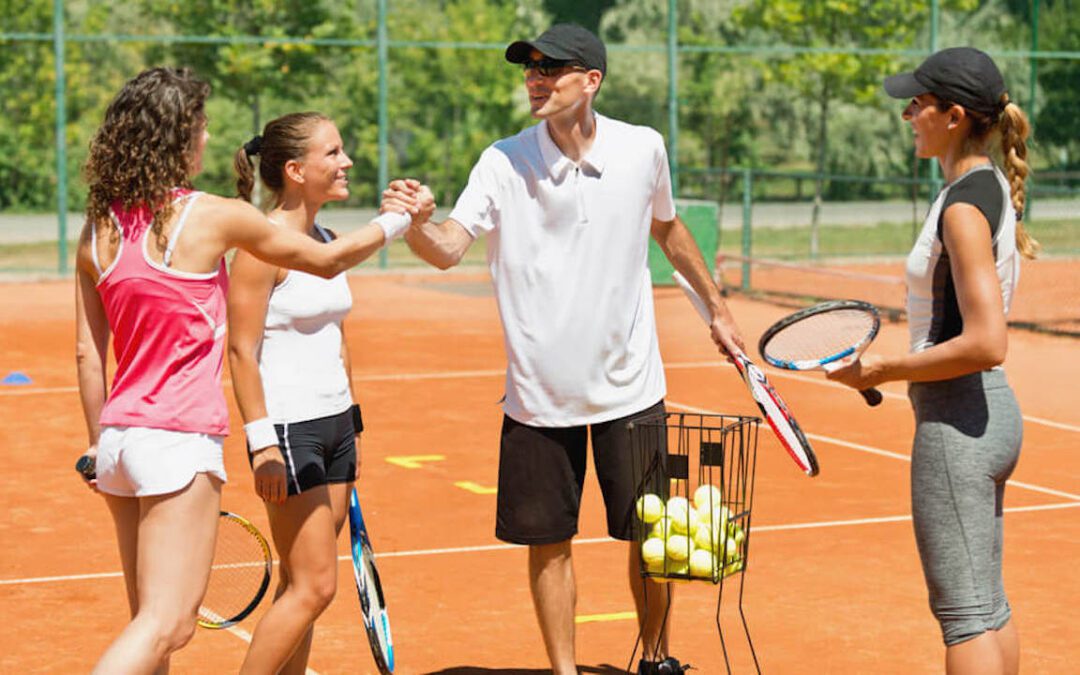
4. As soon as you see your students coming towards the court, put a smile on your face and walk to them looking happy to see/meet them. Stretch your hand out and introduce yourself first, then ask for their names (memorize it).

5. As you can see in the video I mentioned below, it is important to ask your students questions, and find out about them; that would make them feel welcome and important.

6. If you get nervous, smile; smiling is a great way to help you relax; also, ask your student questions during the lesson: “What do you feel about what I just taught you? Does it make sense? Does it feel natural?” etc.

7. And last… actually this should have been first: make sure you have lesson plans ready (a general plan of drills and things you want to teach before you get on the court). I sometimes carry little pieces of paper with notes that I find important to say or do during the lessons. This helps me to know that I do not leave things out and takes some of the pressure off considering that I don’t have to remember everything.

I hope all these tips are of help to you. Write in the comments box below and let me know your thoughts.

Cosmin Miholca

Cosmin Miholca

Certified Tennis Coach

Check out my work at WebTennis24 where I share with you my best video tennis lessons, drills and tips for players, coaches and tennis parents.
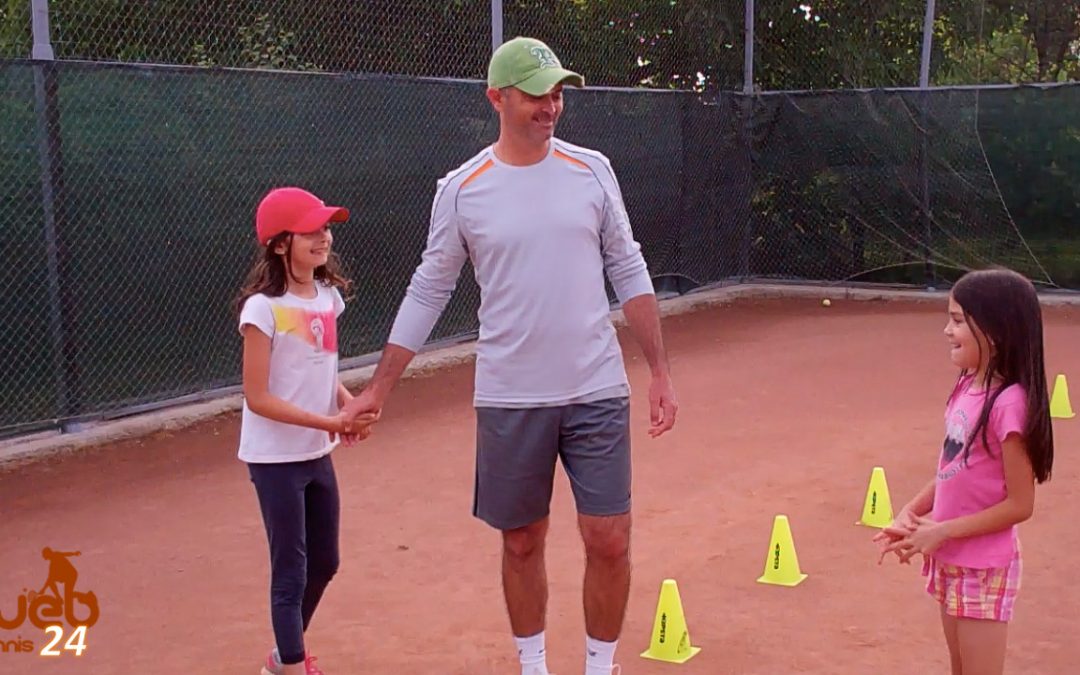
The Best Tennis Advice I Have Ever Received

The Best Tennis Advice I Have Ever Received


Tennis, a sport that demands both physical skill and mental fortitude, often puts players in high-pressure situations. Whether it’s a crucial match point or facing a tough opponent, nerves can easily take over. Luckily, there’s a piece of advice that can help players navigate these moments with confidence. In this blog, we’ll explore that advice and other valuable insights that can elevate your game and mindset on the court.

Understanding the Pressure

Feeling nervous before a match is a common experience for many players. At the heart of this anxiety is often the fear of losing or embarrassing oneself in front of others. It’s essential to recognize that this pressure is not just felt by you; your opponent feels it too. Embracing this understanding can be a game-changer.

When I was fourteen, I faced a match that had me feeling particularly anxious. The player I was about to face had a reputation for being exceptionally skilled. I was worried about not just losing, but losing badly. It was at this moment that my father offered me some invaluable advice that I carry with me to this day. He told me, “Stop worrying about your opponent. Let him worry about you.” This simple yet profound statement shifted my perspective.

Shifting Perspectives: Confidence Over Fear

This advice is about flipping the script. Instead of focusing on the potential outcome of the match or the skills of your opponent, redirect your thoughts to your strengths. Remember that you are a good player too. This shift helps alleviate the pressure and allows you to approach the match with a sense of confidence.

Think about it: your opponent may also be feeling the weight of expectations. They might be just as nervous as you are. By acknowledging this, you can relieve some of the tension that comes with competitive play. This mental strategy can be applied to any future matches, especially when you find yourself feeling the pressure.

Building a Strong Mental Game

In tennis, as in life, a strong mental game is crucial. Here are some strategies to help you build confidence and manage nerves effectively:

  • Visualize Success: Spend time visualizing yourself playing well and succeeding in your matches. This mental rehearsal can prepare you for actual competition.
  • Focus on the Process: Instead of fixating on the end result, concentrate on your techniques and strategies during the match. This keeps your mind engaged and less prone to anxiety.
  • Use Positive Self-Talk: Replace negative thoughts with positive affirmations. Remind yourself of your skills and past successes to reinforce your confidence.
  • Practice Mindfulness: Techniques such as deep breathing or meditation can help calm your mind and reduce stress before and during matches.

The Importance of Preparation

Preparation is key to confidence in any sport. The more prepared you are, the more relaxed you will feel on the court. Here are a few ways to ensure you are ready:

  • Consistent Practice: Regular practice not only improves your skills but also builds confidence in your abilities. Ensure you’re practicing all aspects of your game, from serves to volleys.
  • Match Simulation: Play practice matches that simulate the pressure of a real game. This can help you become accustomed to the feeling of competition.
  • Analyze Your Game: After matches, whether you win or lose, take the time to analyze your performance. Understanding what worked and what didn’t can provide valuable insights for improvement.

Coaching Insights: Best Tennis Advice for Coaches

For coaches, imparting the right mindset to players is crucial. Here are some tips to help players develop confidence:

  • Encourage a Growth Mindset: Teach players that every match is an opportunity to learn and grow. Emphasize improvement over perfection.
  • Foster Team Spirit: Create a supportive environment where players encourage one another. This camaraderie can alleviate individual pressure.
  • Focus on Strengths: While it’s important to address weaknesses, spending time on strengths can boost a player’s confidence and enjoyment of the game.

Resources for Players and Coaches

For those looking to deepen their understanding of tennis coaching, there are excellent resources available. Websites like WebTennis24 offer extensive coaching courses, drills, and lesson plans that cater to both players and coaches alike. These tools can help you refine your skills and enhance your coaching techniques.


Frequently Asked Questions

– What should I do if I feel nervous before a match?

It’s normal to feel nervous. Try to shift your focus from your opponent to your own game. Remember that they might be just as nervous as you are.

– How can I prepare mentally for a match?

Mental preparation can include visualization techniques, practicing mindfulness, and focusing on positive self-talk. These strategies can help calm your nerves and boost confidence.

– What are some effective warm-up routines before a match?

Incorporate dynamic stretches, light jogging, and practice serves and volleys. A good warm-up can help you feel more physically and mentally prepared.

– How can I help my child manage nerves during matches?

Encourage them to focus on their strengths and remind them that every player feels pressure. Teach them techniques like deep breathing and positive visualization.

Conclusion: Embrace the Challenge

In tennis, as in life, facing challenges head-on is essential for growth. The best tennis advice often comes down to perspective. Remember that your opponent might be just as anxious as you are. By embracing this mindset, you can transform pressure into a powerful tool that enhances your performance. Equip yourself with the right strategies, focus on preparation, and always remind yourself of your capabilities. With these tips, you’re not just playing the game; you’re ready to own it.

For more tennis tips and insights, explore the resources at WebTennis24 and elevate your game today!


Cosmin Miholca

Cosmin Miholca

Certified Tennis Coach

Check out my work at WebTennis24 where I share with you my best video tennis lessons, drills and tips for players, coaches and tennis parents.
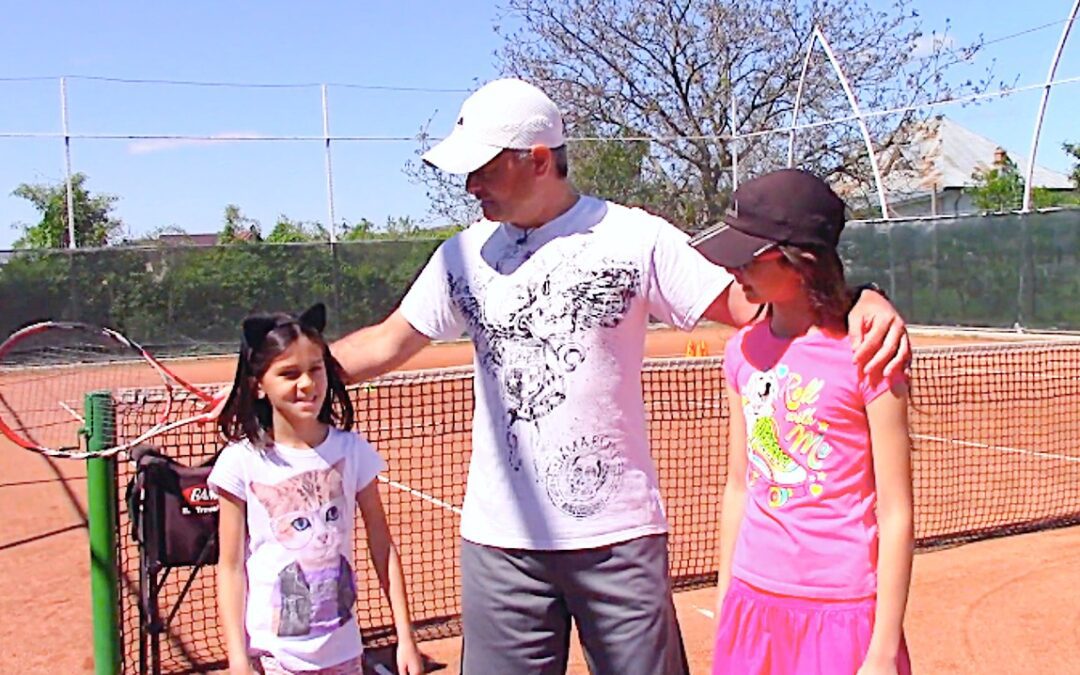
My Mistake: I Did Not Get MY Kids Into Tournaments Earlier

My Mistake: I Did Not Get MY Kids Into Tournaments Earlier

As their father and tennis coach, one of my biggest regrets is that I hesitated to enroll my two daughters in competitions until their technique was decent. I should have done that a lot earlier.
Watch the video below to find out why this might be a common mistake and how to avoid it for your kids:

Cosmin Miholca

Cosmin Miholca

Certified Tennis Coach

Check out my work at WebTennis24 where I share with you my best video tennis lessons, drills and tips for players, coaches and tennis parents.

Advice for Tennis Coaches Who Teach Group Classes

Advice for Tennis Coaches Who Teach Group Classes

In my years of teaching tennis in Southern California, the mornings were dedicated to teaching mostly groups of adult players and occasionally some homeschooled children.

The adult group classes were mostly formed of players looking for a good workout, fun, and learning how to play and win in tennis.

Years after I moved from California, I still get emails from my former students who tell me how much they miss my classes. That’s because I always considered the following…

1. Players like to have fun alongside friends or people they connect with.
In this regard, I tried to pair them up based on their personality and kept the atmosphere of the class a cheerful one by introducing fun games, occasional jokes, and constant encouragement.

2. Players like to get a good workout.
If they all look sweaty and out of breath at the end of the class, I know they will feel good about themselves for the rest of the day. A good workout means a better mood for the day ahead.

3. Players want to learn something new every time.
Players should be reminded of the proper stroke mechanics, strategies, and footwork. Try to bring a new piece of tennis information every time your students come to your class. They will appreciate you and the value they get out of your lessons.

Gain access to a comprehensive collection of tennis drills and lesson plans. Enroll now and have everything you need at your fingertips!

Cosmin Miholca

Cosmin Miholca

Certified Tennis Coach

Check out my work at WebTennis24 where I share with you my best video tennis lessons, drills and tips for players, coaches and tennis parents.

My Daughter Learned a Valuable MENTAL Tennis Lesson

My Daughter Learned a Valuable MENTAL Tennis Lesson

It’s Saturday morning… I’m with my younger daughter (9 years of age) who has her last tennis practice before the next day’s tournament.

As it ends, I ask Bianca to play a practice match against her older sister, Cezara.

Bianca, who lately has been dominating the “battle of the sisters” is up 9-6 (tie-break to 10 points). Matchpoint, right?

But that’s when she makes the mental mistake that only inexperienced players allow to happen:

“Daddy, if we get to 9-9, are we going to play by two points?”

I take a deep breath, forcing myself to control my frustration. I know what is about to happen:

Her opponent (Cezara) comes back to even the score at 9-9 and eventually wins the match: 13-11.

So what is this about?

When Bianca was ahead 9-6, her mind should have been focused on winning the next point and closing the match. Instead, she thought about 9-9. Whatever her mind was preoccupied with… happened.

This was her lesson which I hope she understood:

Whatever our mind focuses on, happens!

Whether we visualize good or bad things, that’s what we get. It’s a universal law that applies to everything in life, including tennis.

Spend quality time with your child while teaching them a valuable sport. Enroll today in My Daddy / My Coach program!

Cosmin Miholca

Cosmin Miholca

Certified Tennis Coach

Check out my work at WebTennis24 where I share with you my best video tennis lessons, drills and tips for players, coaches and tennis parents.