
Why Beginner Players Should Avoid Private Tennis Lessons at First
If your child is just getting started in tennis, my advice is simple: do not begin with private tennis lessons as the main training format.
I know that sounds strange, especially when parents are motivated and ready to invest in their child’s development. Sometimes parents even want daily private tennis lessons right away. But for true beginners, that is usually not the best path.
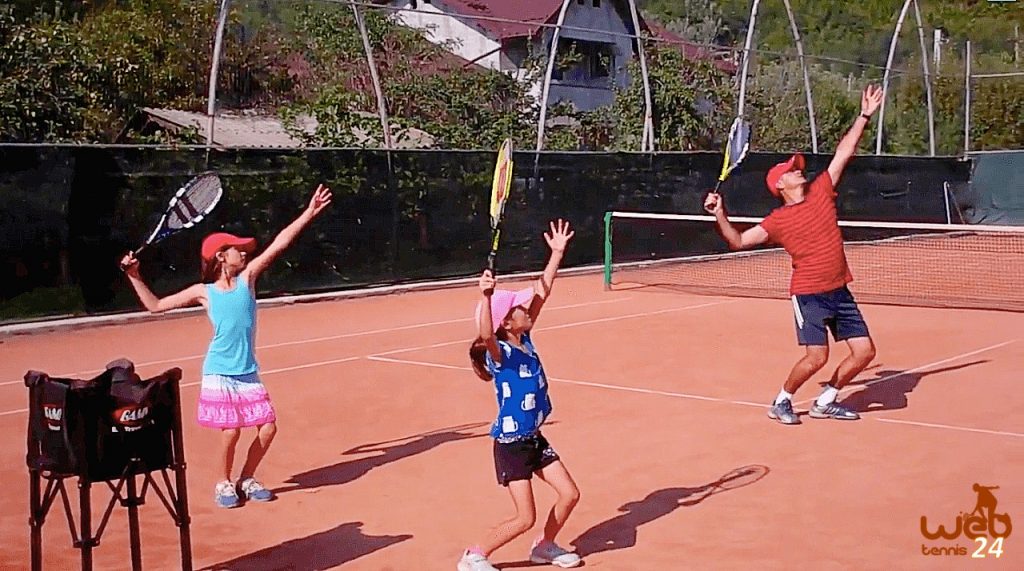
In the early stage, children benefit much more from being in a group environment where they can see other kids their age playing, learning, competing, and enjoying the sport. That social energy matters. In many cases, it matters more than one-on-one instruction.
Why group lessons are better than private tennis lessons for beginners
When children start tennis, they are not just learning strokes. They are learning what the sport feels like.
That is why a group setting is so powerful. Kids see others trying, missing, laughing, improving, and competing. They begin to understand tennis as a game, not as a technical project. That is a huge difference.
With private tennis lessons, a child can become too focused on correction from the very beginning. Every ball is evaluated. Every movement is watched. For some children, especially beginners, that can make tennis feel heavy too early.
In group lessons, the sport feels alive. Children naturally compare, copy, adjust, and get inspired by each other. They start to want the ball. They want to rally. They want to play points. That kind of motivation is hard to manufacture in a one-on-one setting.
If you are a parent trying to decide how to start, a strong formula is this:
- At least two group lessons per week
- One occasional private lesson to clean up technique or fix specific errors
That balance gives children the social side of learning while still getting individual attention when needed.
This same idea is explored further in this article on teaching tennis to your child, especially the importance of letting kids learn around other kids first.
What children actually need in the beginning
Beginner players do not need endless correction. They need exposure, repetition, and enjoyment.
They need to hit balls with other children. They need to struggle a little. They need to discover what is hard for them. Only then does coaching become highly meaningful.
For example, once a child has played with others, they can start to recognize real problems:
- “I have trouble with topspin on my forehand.”
- “I can’t keep the ball in the court.”
- “I don’t know how to make my serve curve with slice.”
- “My consistency breaks down during rallies.”
That is the moment when a coach can really help. Now the instruction connects to something the child has actually experienced. Instead of abstract technical advice, the lesson solves a real tennis problem.
Used that way, private tennis lessons become much more valuable. They stop being the foundation and become the support.
Why private tennis lessons can be too much, too soon
There is nothing wrong with private tennis lessons in general. They are useful. They can be excellent. But timing matters.
When a player is brand new, too much one-on-one instruction can create a few common issues:
- Too much focus on technique before the child understands the game
- Less social motivation because there are no peers learning alongside them
- Less natural competition, which is a major driver of growth in kids
- Higher pressure from constant attention and correction
Children often learn best when they can blend instruction with experimentation. They need some structure, but they also need room to feel the sport.
That is why I would rather see a beginner spend more time in group sessions and use private tennis lessons once or twice a week at most, mainly to improve specific aspects of their game.
Kids should learn tennis through play, not only through instruction
One of the biggest mistakes in junior coaching is delaying games and rallies for too long.
I believe in introducing the game concept as early as possible, even from the first lesson. Yes, technique matters. But technique is not everything. If tennis stops being fun, children lose interest fast.
So even in the first or second lesson, I like to include at least one fun game the child can go play later with friends or family. That matters because it extends the lesson beyond the court. It gives the child something simple and enjoyable that they can repeat on their own.
That games-based approach helps tennis feel like tennis from the beginning.
If this idea resonates with you, this piece on technique versus a games-based approach expands on the same philosophy.
Technique matters, but it should not dominate the early experience
Of course, children need proper fundamentals. I am not saying technique should be ignored.
I am saying it should be taught in a way that keeps the sport enjoyable.
There is a major difference between:
- teaching technique as part of learning the game, and
- making technique the entire experience
Beginners need enough instruction to build solid habits, but not so much that they become robotic or discouraged. A child can have decent mechanics and still need to play more. In fact, that is often exactly what they need.
Many players, myself included, developed a lot through feel. That does not mean technique is unimportant. It means players also need time to sense the ball, adapt naturally, and build coordination through actual hitting.
The goal is not perfect-looking strokes on day one. The goal is long-term development and love for the sport.
A simple 5-step methodology for developing a tennis player
When I teach, I like to follow a clear order. This progression keeps training practical and prevents players from chasing advanced skills before they are ready.
- Technique
- Consistency
- Placement
- Spin
- Power
1. Technique
Technique comes first because players need a workable foundation. They need basic grips, swing shapes, spacing, and movement patterns that allow them to strike the ball properly.
But this stage should not take over everything. Give the child enough structure, then let them hit and play.
2. Consistency
Once the basic mechanics are in place, the next job is learning to keep the ball in play. A player who cannot rally has no real base for development.
Consistency teaches control, focus, rhythm, and confidence. It also makes the game enjoyable, because now points and exchanges can actually happen.
3. Placement
After consistency comes the ability to direct the ball.
That means learning to hit:
- crosscourt and down the line
- side to side
- deep and short
This is where tennis starts becoming more tactical. The player is no longer just surviving the rally. They are beginning to shape it.
4. Spin
Only after technique, consistency, and placement are developing well should spin become a bigger focus.
Topspin and slice are important tools, but beginners often try to add them too early without first controlling the ball. Spin works best when it is layered onto a stable foundation.
5. Power
Power comes last.
This is where many players and parents go wrong. They chase big shots too soon. But if you add power before the earlier steps are taken, the player usually loses control.
Real power should grow naturally out of clean technique, stable balance, good timing, and confidence.
Even organizations such as the USTA emphasize building fundamentals before trying to hit bigger and harder. That sequence is not flashy, but it works.
What I would tell parents who want the fastest improvement
If you are serious about your child’s progress, the answer is not more private tennis lessons right away.
The better answer is usually a better environment.
Put your child in a place where they can:
- learn with other kids
- see real examples at their age and level
- compete in a low-pressure way
- have fun while improving
- get occasional individual correction when needed
That combination tends to create better motivation and better long-term development than a schedule built mostly around private tennis lessons.
And if enjoyment is missing, development usually does not last anyway. That is one reason so many kids lose interest early. This article on why children quit tennis goes deeper into that issue.
The best role for private tennis lessons
I am not against private tennis lessons. I just believe they should be used wisely.
For a beginner, the ideal role of a private lesson is to:
- correct technical mistakes
- improve a specific stroke
- address consistency problems
- give personalized feedback that supports what the child is already experiencing in group play
That is very different from using private coaching as the child’s entire tennis world.
When kids first fall in love with tennis through play, rallies, and social learning, then individual coaching becomes much more effective.
Final thought
If your child is new to the game, resist the temptation to over-coach too early.
Start with a group. Let them hit. Let them play. Let them see other kids enjoying tennis. Then use private tennis lessons as a tool to fine-tune technique and solve specific problems.
That path is usually healthier, more enjoyable, and more effective in the long run.
And if you want more structured coaching ideas, drills, and lesson plans, you can explore additional resources at WebTennis24.
F.A.Q.
Are private tennis lessons bad for beginners?
No. Private tennis lessons are not bad. They are just often overused too early. For beginners, group lessons usually provide a better starting point because children learn through social interaction, play, and seeing other kids their age on court.
How many group lessons should a beginner take compared with private lessons?
A practical balance is at least two group lessons for every one private lesson. Group sessions should be the main foundation, while private coaching is used to correct technique and improve specific areas.
When should a child start private tennis lessons?
A child can start private tennis lessons once they are already playing in a group environment and beginning to recognize real challenges in their game, such as forehand topspin, consistency, or serve issues. At that point, individual coaching becomes much more effective.
Should beginners focus on technique first?
Technique should come first, but not in a rigid or joyless way. The best approach is to teach basic technique while also introducing games and rallies early so the player connects the mechanics to real tennis.
What is the correct order for developing tennis skills?
A strong development sequence is: technique, consistency, placement, spin, and then power. This progression helps players build control before trying to add more advanced shot-making or pace.

0 Comments