

pongbot-official-partner-webtennis24

First AI Tennis Robot

use code WT24 for a 5% discount
How to Play When Your Opponent Is “In the Zone”

How to Play When Your Opponent Is “In the Zone”

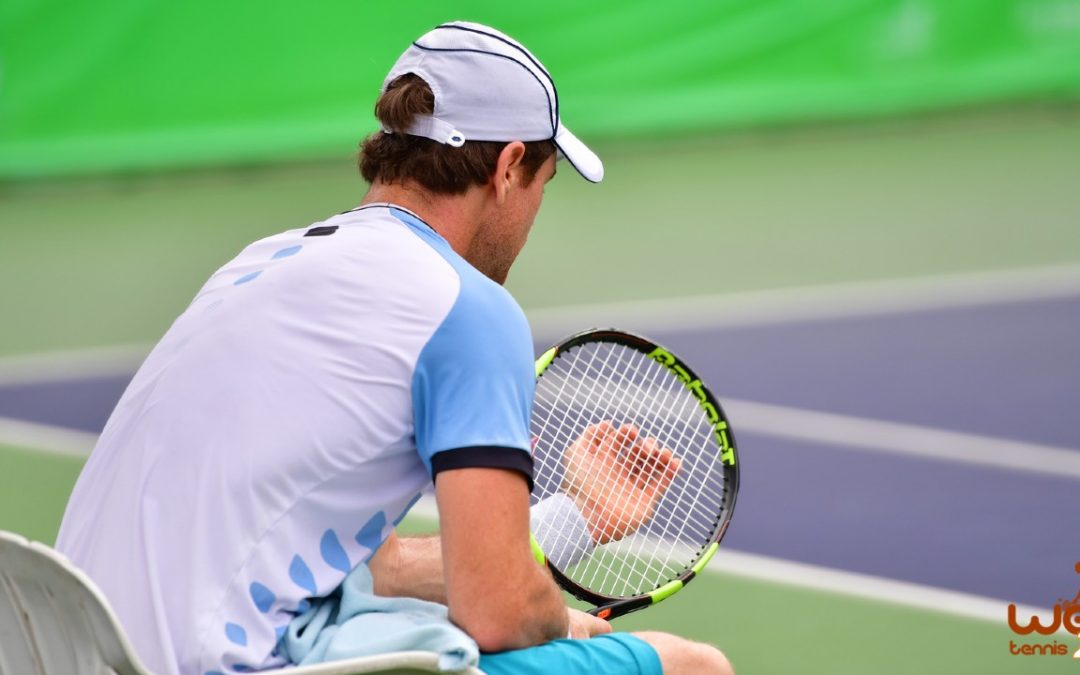
You play against an opponent whom you have competed with before, but on this particular day everything “connects” for them: the groundstrokes are consistent, perfectly placed and timed drop-shots, their lobs are “magically” finding the baseline, the first serves are at a high percentage… and whatever you do the ball finds its way to come back for another shot. In short, your opponent has one of those days when everything connects. So frustrating for you!

What should you do and how do you play?

One lesson I’ve learned in my entire tennis career is that no matter how good your opponent is playing, you should always care for these three things:
1. How long can they maintain this level of play?
2. Whatever it takes, you should stay positive and show no sign of frustration to fuel your already confident opponent.

3. Stick with whatever strokes you feel you have control over. It is not the time to try something new. Be humble in your play.

Really, all it takes to win most of the matches against “in the zone” players comes down to the above three mental points.

However you play, always keep in mind that the mentally stronger players always (or at least most of the time) prevail when the balance of technical skills is leveled between players.

Do you have any tips you would like to add? Leave them in the comment box below.

Cosmin Miholca

Cosmin Miholca

Certified Tennis Coach

Check out my work at WebTennis24 where I share with you my best video tennis lessons, drills and tips for players, coaches and tennis parents.
How to Play Against a “Big” Server and Tall Net Player

How to Play Against a “Big” Server and Tall Net Player

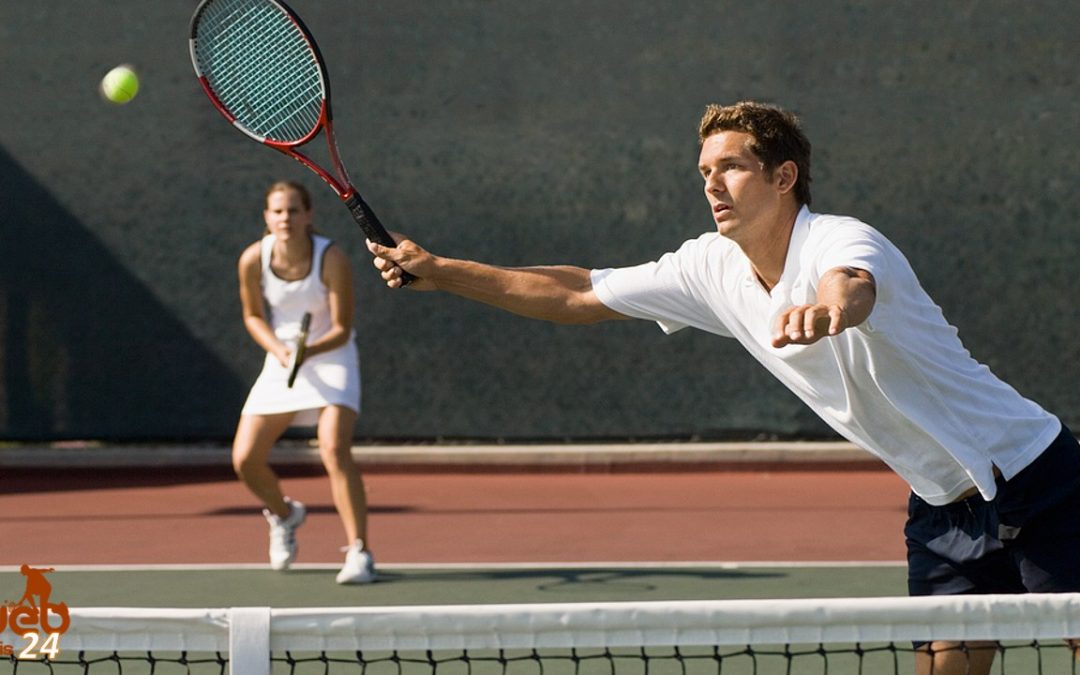
A few days ago I got an email from one of our subscribers who is a passionate doubles player. He had a dilemma: how should he return against an aggressive server and a tall player at the net?
Immediately I thought: tough question! In my opinion, this particular player has to face a perfect doubles team: a great server and a tall partner to pick up the weak return.

The thing is that most players would try their best to avoid the net player by hitting aggressive passive shots. That puts extra pressure and the percentage of missing the balls into the net or out is greater.

I would do the following:
– For doubles… I’d have my partner position just behind the service line and let them know that I’d return the serve right at the opposing net player (well, not all the time; just often enough to keep them from poaching and putting the pressure on).
– For singles… again, I’d try to hit the ball at my approaching opponent’s feet or hit the first ball right at them, waiting for my chance for a passing shot.

Set and achieve your tennis goals with our comprehensive training. Join Ultimate Training for Tennis Players and unlock your success!

Cosmin Miholca

Cosmin Miholca

Certified Tennis Coach

Check out my work at WebTennis24 where I share with you my best video tennis lessons, drills and tips for players, coaches and tennis parents.

Do THIS for a Better Return of Serve

Do THIS for a Better Return of Serve

The returning serve should not be treated like a groundstroke swing – the ball from your opponent’s serve travels faster and you’ll have less time to react to it.

Therefore, when I teach the return of serve, I tell my students to imagine they have a wall or fence behind them. In this way, they should avoid taking the racquet back, otherwise, they’ll hit it against the imaginary fence/wall. A slight shoulder turn and abbreviated backswing should be enough to handle fast-coming serves (see picture above).

Shorten your backswing by imagining yourself returning the serve while having a wall/fence behind your back. That will help you make contact with the fast-coming ball further in front of you.

Learn tennis techniques with crystal-clear explanations and visual aids. Join Visual Tennis Lessons program and simplify your learning journey!

Cosmin Miholca

Cosmin Miholca

Certified Tennis Coach

Check out my work at WebTennis24 where I share with you my best video tennis lessons, drills and tips for players, coaches and tennis parents.
Which Player Should Serve First in Doubles?

Which Player Should Serve First in Doubles?

One of the first questions that your partner will ask you at the beginning of a doubles match is “Do you wanna serve… or should I?”

Most of the time players just mumble something until one of them says: “Ok, you serve first!”

But really, this is a situation that should be treated seriously if you care to compete well in doubles.

I’d say that the stronger server between the two of you should serve first. In this way, if your team wins the game, that puts you in the lead and takes some of the pressure off.
On the other side, if both of you have decent serves, then you would pay a compliment to your partner by letting them serve first. That shows you have trust in them and this helps in building your team’s confidence.

Cosmin Miholca

Cosmin Miholca

Certified Tennis Coach

Check out my work at WebTennis24 where I share with you my best video tennis lessons, drills and tips for players, coaches and tennis parents.

My Neighbors’ Animals Don’t Love Tennis! :) Bloopers

My Neighbors’ Animals Don’t Love Tennis! :) Bloopers

Throughout the previous year, I have recorded many videos for you to improve your tennis skills.
But that was not easy. Why? Because my neighbors’ farm animals kept interrupting.
That’s right, those animals had no sympathy for my work. Can you believe that???

These are some of the behind-the-scenes bloopers from shooting the WebTennis24 videos. Have a little fun at my expense. (;

Cosmin Miholca

Cosmin Miholca

Certified Tennis Coach

Check out my work at WebTennis24 where I share with you my best video tennis lessons, drills and tips for players, coaches and tennis parents.

It’s The Only Serve I Trust Under Pressure

It’s The Only Serve I Trust Under Pressure

My favorite serve, in terms of reliability, is by far the slice/side-spin serve.

The slice, especially when used on the second serve, offers several advantages:

  • It allows you to keep the ball low, making it difficult for the returner to attack.
  • The spin applied to the ball slows it down in the air, ensuring greater consistency.
  • Additionally, if you decide to move up to the net after serving, the slice makes it challenging for your opponent to return the ball at your feet.

These benefits make the slice serve an excellent choice, not to mention how easy it is to learn and execute.

I strongly recommend trying, learning, or improving your slice serve. To assist you in this process, I have created a video program demonstrating various progression drills. These drills will help you master the slice serve quickly and effectively.
Whether you are a beginner or an intermediate player, these video drills will teach you the essential techniques for hitting a reliable slice serve in a very short time.

Learn tennis techniques with crystal-clear explanations and visual aids. Join Visual Tennis Lessons program and simplify your learning journey!

Cosmin Miholca

Cosmin Miholca

Certified Tennis Coach

Check out my work at WebTennis24 where I share with you my best video tennis lessons, drills and tips for players, coaches and tennis parents.

5 Tips to Properly Warm Up for Tennis

5 Tips to Properly Warm Up for Tennis

It’s always entertaining to watch players so enthusiastic to play tennis that they immediately jump into a match without taking the time to warm up properly. However, to enjoy this sport for a longer period, especially competitively, it’s essential to warm up properly.

Here are some guidelines that can help you start the match on the right foot:

  1. Take it Easy: Avoid hitting hard, putting the ball away, or running too much in the warm-up. Instead, focus on feeling the ball and getting your body loose.
  2. Observe Your Opponent: Try to spot any weaknesses in your opponent’s technique that you can exploit during the match.
  3. Keep Your Special Shots a Secret: If you have any “special shots” that you’re very confident with, don’t show them off during the warm-up.
  4. Stay Focused: Avoid letting any emotions come out in the warm-up. Remember, this is not the actual match.
  5. Avoid Conversations: Do not initiate conversations with your opponents before, during, or after the warm-up other than the usual match-related information. Talking is for after the match is over!

I would like to elaborate on the last point, which is based on a true story.
Once, during a warm-up, my opponent complimented my forehand groundstroke, and it made me overly conscious of not showing it off during the match. As a result, I felt more tense and began to question my abilities.
So, it’s crucial to avoid letting compliments or remarks from your opponents distract you from the match ahead.

To wrap it up, the love for competition is so big that many players overlook the importance of warming up correctly. But, by following these simple guidelines, you can set yourself up for a better start to the match, improve your game, and enjoy the sport for a more extended period.

Cosmin Miholca

Cosmin Miholca

Certified Tennis Coach

Check out my work at WebTennis24 where I share with you my best video tennis lessons, drills and tips for players, coaches and tennis parents.