
Essential Tips to Improve Your Tennis Forehand
Table of Contents
- Intro
- Fix #1: Better grip for your tennis forehand
- Fix #2: Spin and why you need it when playing tennis
- Fix #3: How to transfer the weight during the shot
- Intro to “proper weight transfer” tennis drill
- Tennis drill for proper weight transfer into the shot
- FAQ
Intro
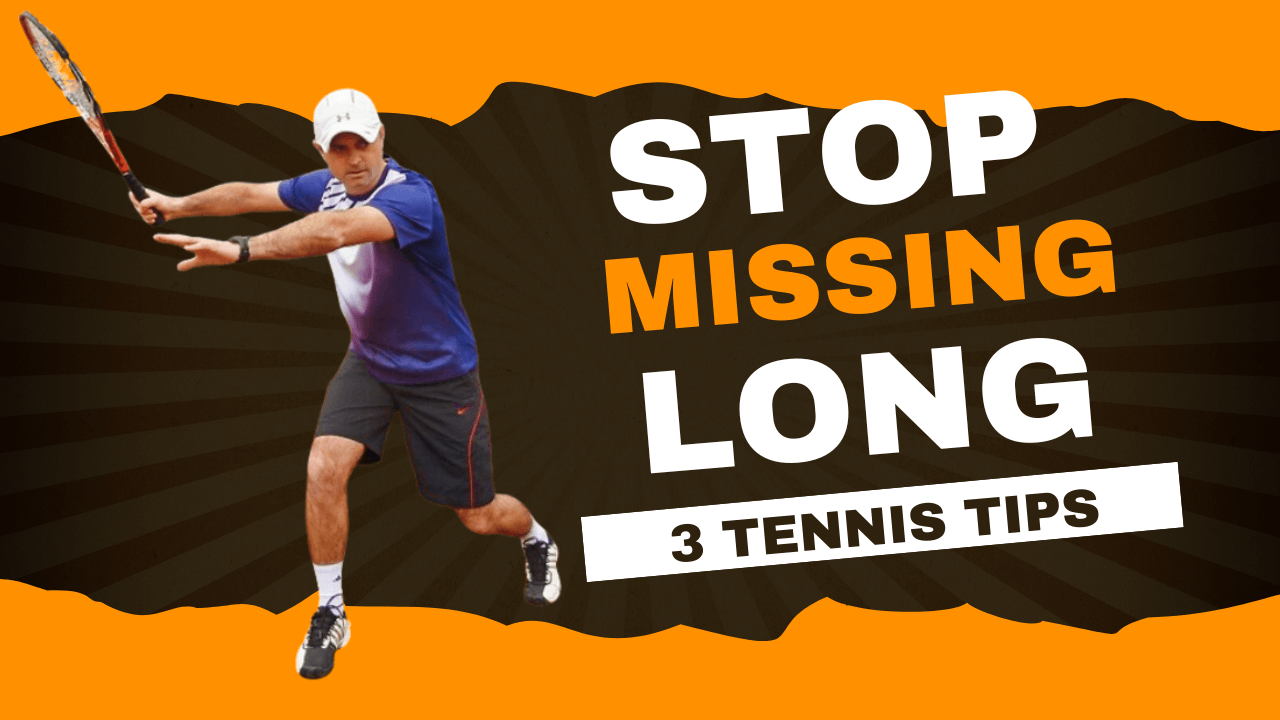
Are you struggling with your forehand ground strokes, often sending the ball long? You’re not alone! Many players face this issue, but the good news is that there are effective ways to improve your consistency and control. In this blog post, we’ll explore three key fixes that can transform your forehand, along with a valuable drill to reinforce proper technique. Let’s get started!
Fix #1: Better grip for your tennis forehand
The grip you use can significantly impact your forehand stroke. If you’re currently using the Continental or Eastern grip, it’s time to consider making a switch. The Continental grip, often referred to as the Hammer grip, involves holding the racket as if you’re about to hammer a nail. You place your hand on the extension of the racket’s edge, known as bevel number one. This grip tends to open the racket face, causing the ball to fly long, especially when you hit it hard.
The Eastern grip, where your palm rests on bevel number two, is another common choice. While still used by some top players, it can also lead to similar issues with the racket face opening too much. For those looking for more consistency, the Semi-Western grip is a better option (see the attached video above for a visual demonstration of the forehand grips). With this grip, your palm is placed on bevel number three, allowing the racket face to close slightly at contact. This position is crucial for generating topspin, which helps keep your shots in play.
Why is the semi-western grip preferred? It allows you to swing from low to high, brushing up on the back of the ball to create topspin. This topspin not only controls the ball’s trajectory but also increases your chances of hitting deeper shots without going long.
Fix #2: Spin and why you need it when playing tennis
Once you’ve adjusted your grip, the next step is to focus on generating spin. Spin is vital for maintaining control over your shots, especially when aiming for depth. The semi-western grip aids in this process by enabling you to brush up on the back of the ball effectively. This motion creates a rotation that helps the ball dip down after crossing the net.
To achieve this, practice swinging from low to high. As you make contact with the ball, ensure that you’re brushing up the back of it. The resulting topspin will help the ball clear the net and then dip down, making it less likely to sail long. The combination of a proper grip and effective spin generation is essential for any player looking to enhance their forehand consistency.
Fix #3: How to transfer the weight during the shot
Weight transfer is another critical aspect of executing a successful forehand. Many players fall into the habit of leaning back and transferring their weight onto their back foot. This position can lead to an open racket face, and when hitting the ball hard, it often results in shots that fly long.
To break this habit, it’s important to focus on transferring your weight forward as you hit the shot. This adjustment not only improves contact but also enhances your overall stability and control. As you prepare to hit, step into the ball with a square stance. When you make contact, lift your back foot off the ground. This motion encourages you to meet the ball out in front, rather than waiting for it to come to you.
Intro to “proper weight transfer” tennis drill
Now that you understand the importance of weight transfer, let’s discuss a practical drill to reinforce this technique. You can practice this drill with a partner or by using a ball machine. The key is to focus on stepping into the ball and ensuring your weight shifts correctly throughout the stroke.
Tennis drill for proper weight transfer into the shot
To execute the drill, begin by positioning yourself to receive the ball. As the ball approaches, step forward with your front foot and prepare to make contact. Remember to lift your back foot after you hit the ball. This simple action helps to solidify your weight transfer and encourages a more effective swing.
Here’s a step-by-step breakdown of the drill:
- Position yourself to receive a ball, either from a partner or a machine.
- As the ball comes towards you, step forward with your front foot.
- Focus on making contact with the ball out in front of your body.
- After hitting, lift your back foot off the ground to reinforce the forward weight transfer.
- Repeat the drill, concentrating on maintaining a consistent grip and generating topspin.
By practicing this drill regularly, you’ll develop better habits that will translate into improved performance on the court. If you want to dive deeper into enhancing your forehand, consider checking out resources like the Ultimate Tennis Forehand. It offers a wealth of video lessons, drills, and tips to master your forehand groundstroke.
FAQ
What grip should I use for my forehand?
The semi-western grip is highly recommended for most players as it allows for better topspin and control. If you’re currently using the Continental or Eastern grip, consider making the switch to improve your consistency.
How can I generate more topspin on my forehand?
To generate topspin, focus on swinging from low to high and brushing up on the back of the ball. This technique, combined with the semi-western grip, will help you achieve the desired spin.
Why is weight transfer important in my forehand stroke?
Weight transfer is crucial for maintaining balance and control during your shot. By shifting your weight forward, you improve your ability to make solid contact with the ball, reducing the chances of hitting long.
Are there any drills to help with my forehand technique?
Yes! Practicing the weight transfer drill mentioned above can greatly improve your forehand technique. Additionally, you can find various drills and lessons in the Tennis Training Courses offered by WebTennis24.
In conclusion, improving your forehand requires attention to grip, spin, and weight transfer. By implementing these fixes and practicing the suggested drill, you’ll be on your way to hitting more consistent and controlled forehand shots. Happy playing!

0 Comments